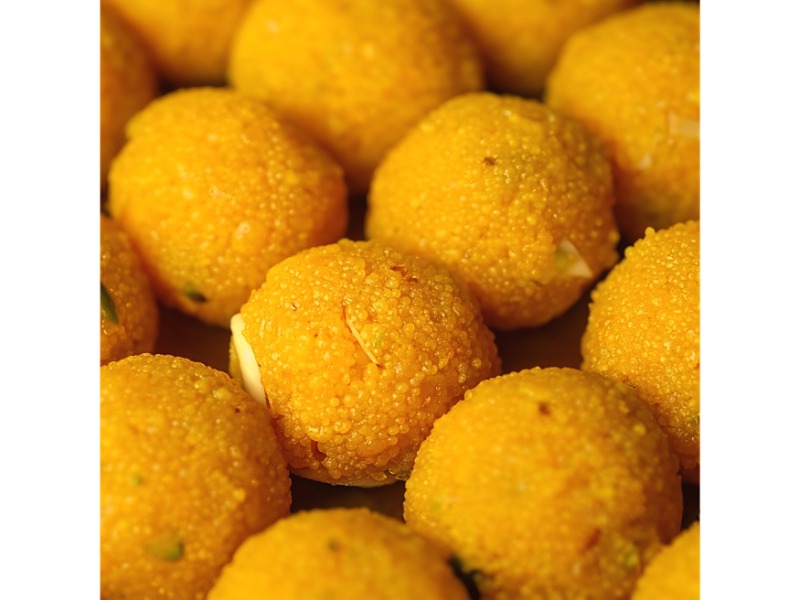
Boondi Laddu is a popular traditional Indian confection prepared using besan (gram flour) batter, which is fried into small droplets (boondi) and then soaked in aromatic sugar syrup. The sweet is flavored with cardamom, saffron, and sometimes garnished with nuts like cashews and raisins, giving it a rich taste and festive appeal. The soft texture and melt-in-mouth consistency make it a favorite for religious offerings (prasad), weddings, and festive occasions such as Diwali and Ganesh Chaturthi. Variants like Motichoor Laddu use finer boondi for a smoother texture and brighter color.
Credit Card,Cash,Cheque
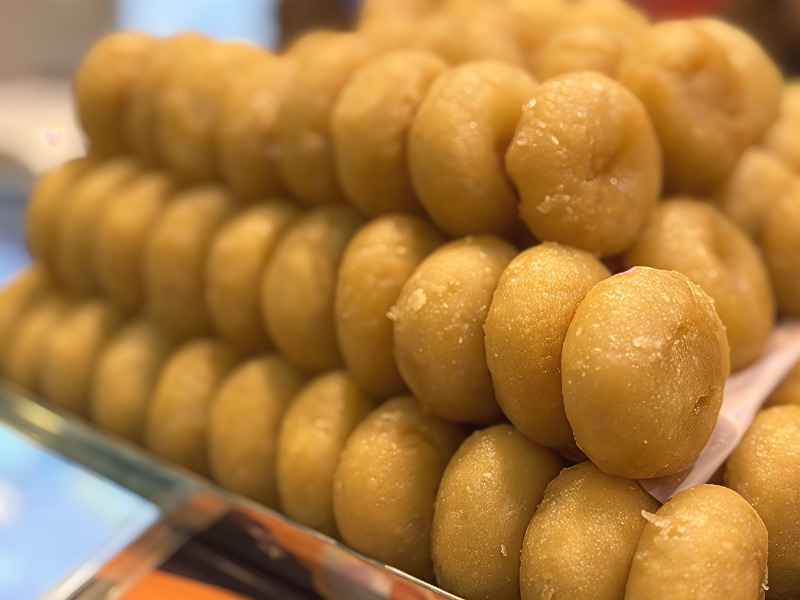
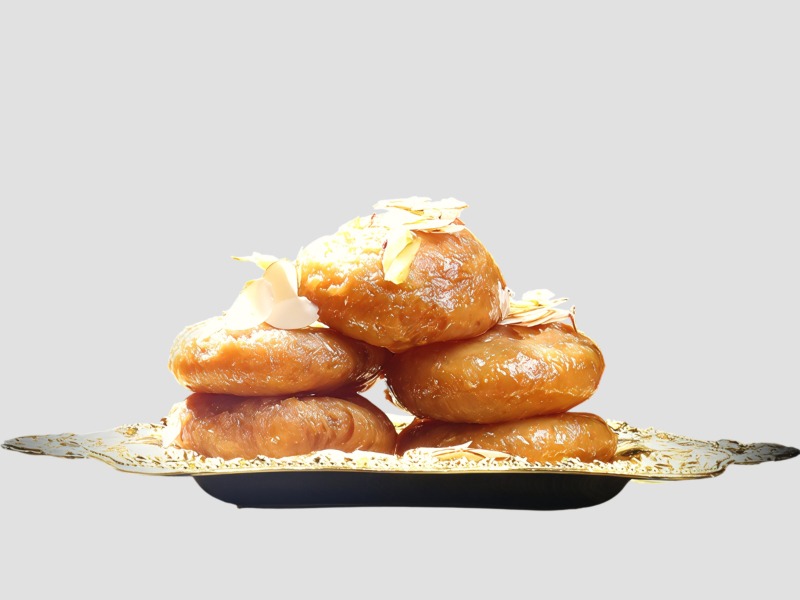
Balushahi, also known as Badusha in South India, is a classic Indian sweet prepared using maida (refined flour), ghee, and sugar syrup. The dough is shaped into round discs with a slight indentation, deep-fried at low temperatures to achieve a crisp outer layer and soft, flaky interior, and then coated with a light sugar glaze. Unlike syrup-soaked sweets, Balushahi has a slightly dry texture with a mild crunch, making it unique among traditional mithai. It is widely enjoyed during festivals like Diwali, weddings, and special occasions, and is also popular as a premium sweet in retail shops and gifting hampers.
Credit Card,Cash,Cheque
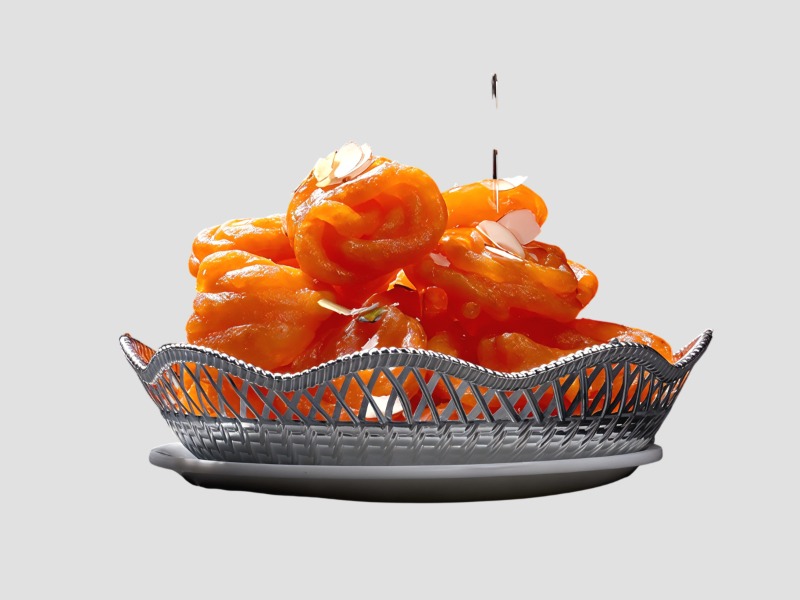
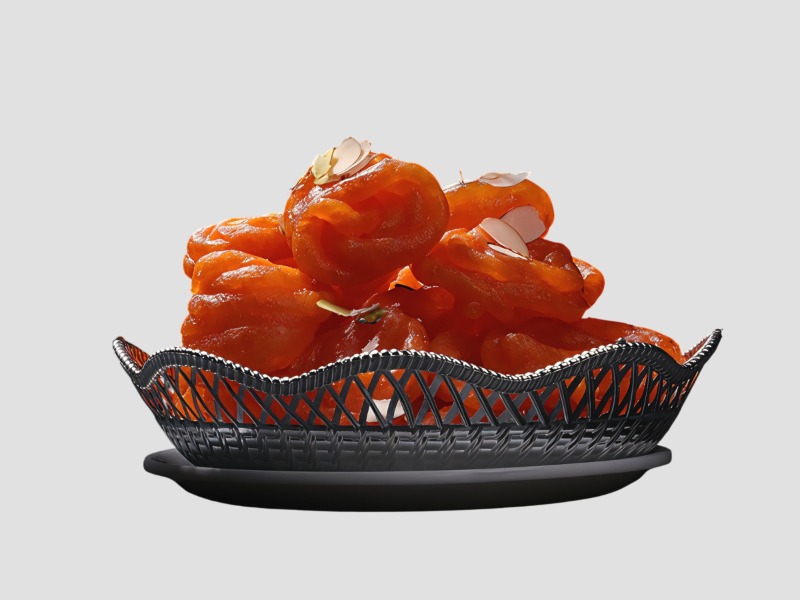
Jalebi is a classic Indian dessert prepared by fermenting a batter made from refined flour (maida) and deep-frying it into distinctive spiral shapes. These golden, crispy spirals are then immediately soaked in warm sugar syrup infused with saffron or cardamom, giving them a juicy interior and glossy finish. The combination of a crunchy outer layer and syrup-filled center creates a unique texture and taste that is widely loved across India. Jalebi is commonly enjoyed during festivals, weddings, and as a street food delicacy, often served hot. It is also paired with milk, rabri, or curd in various regional variations.
Credit Card,Cash,Cheque
Balushahi, also known as Badusha, is a classic Indian confection prepared using maida (refined flour), ghee, and sugar syrup. The dough is shaped into round discs with a slight indentation, then deep-fried at controlled temperatures to develop a crispy outer layer and soft, layered interior. Unlike fully soaked sweets, Balushahi features a light sugar glaze coating, giving it a mildly crunchy exterior and a rich, melt-in-mouth texture inside. It is commonly flavored with cardamom and garnished with nuts like almonds or pistachios, enhancing both taste and visual appeal.
Cash,Cheque
Jalebi is one of the most iconic Indian sweets, prepared by fermenting a batter made from refined flour (maida) and shaping it into spiral patterns before deep frying. Once fried to a golden crisp, the spirals are soaked in warm sugar syrup flavored with saffron or cardamom, resulting in a glossy finish and rich taste. The sweet is known for its unique contrast of textures—a crunchy outer layer and a syrup-filled, juicy interior. Jalebi is widely enjoyed across India as a festival delicacy, street food favorite, and dessert option, often served hot and sometimes paired with milk or rabri.
Credit Card,Cash,Cheque
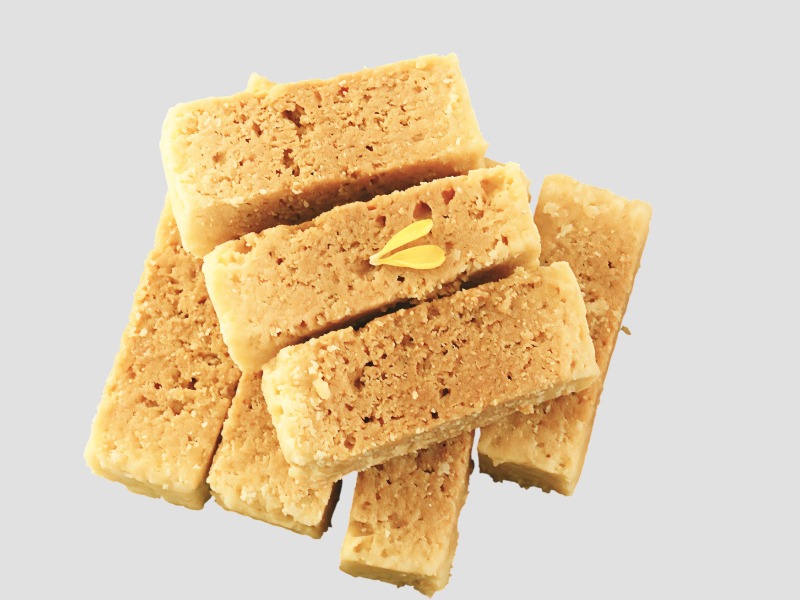
Mysore Pak is a famous South Indian sweet originating from Mysore, prepared using besan (gram flour), ghee, and sugar syrup. The mixture is cooked to perfection and set into blocks, resulting in a soft, crumbly texture with a rich ghee aroma. There are two common variants—hard Mysore Pak (traditional) and soft ghee Mysore Pak (premium variant), with the latter offering a melt-in-mouth experience. The porous texture and balanced sweetness make it a favorite during festivals, weddings, and special occasions.
Credit Card,Cash,Cheque